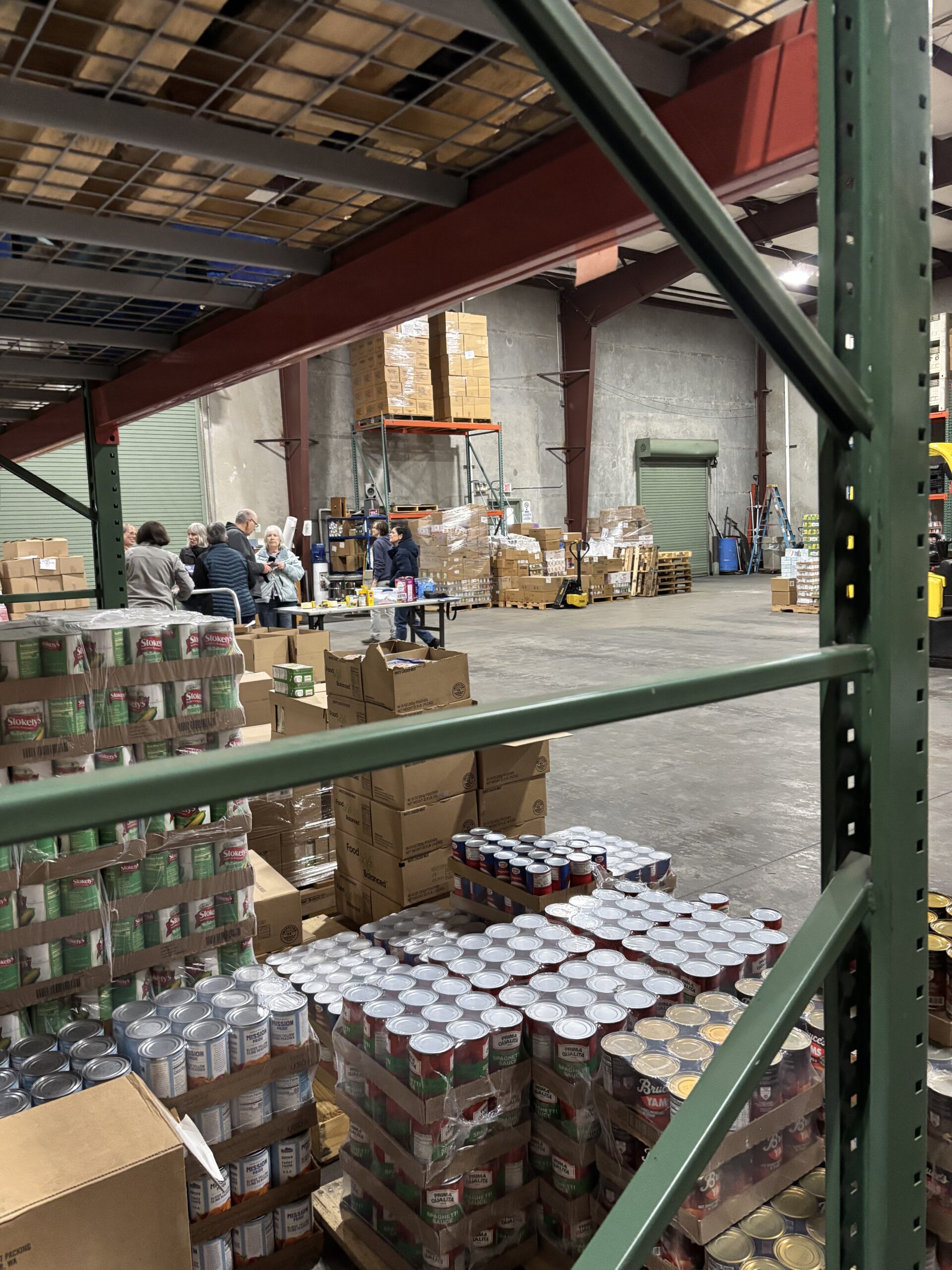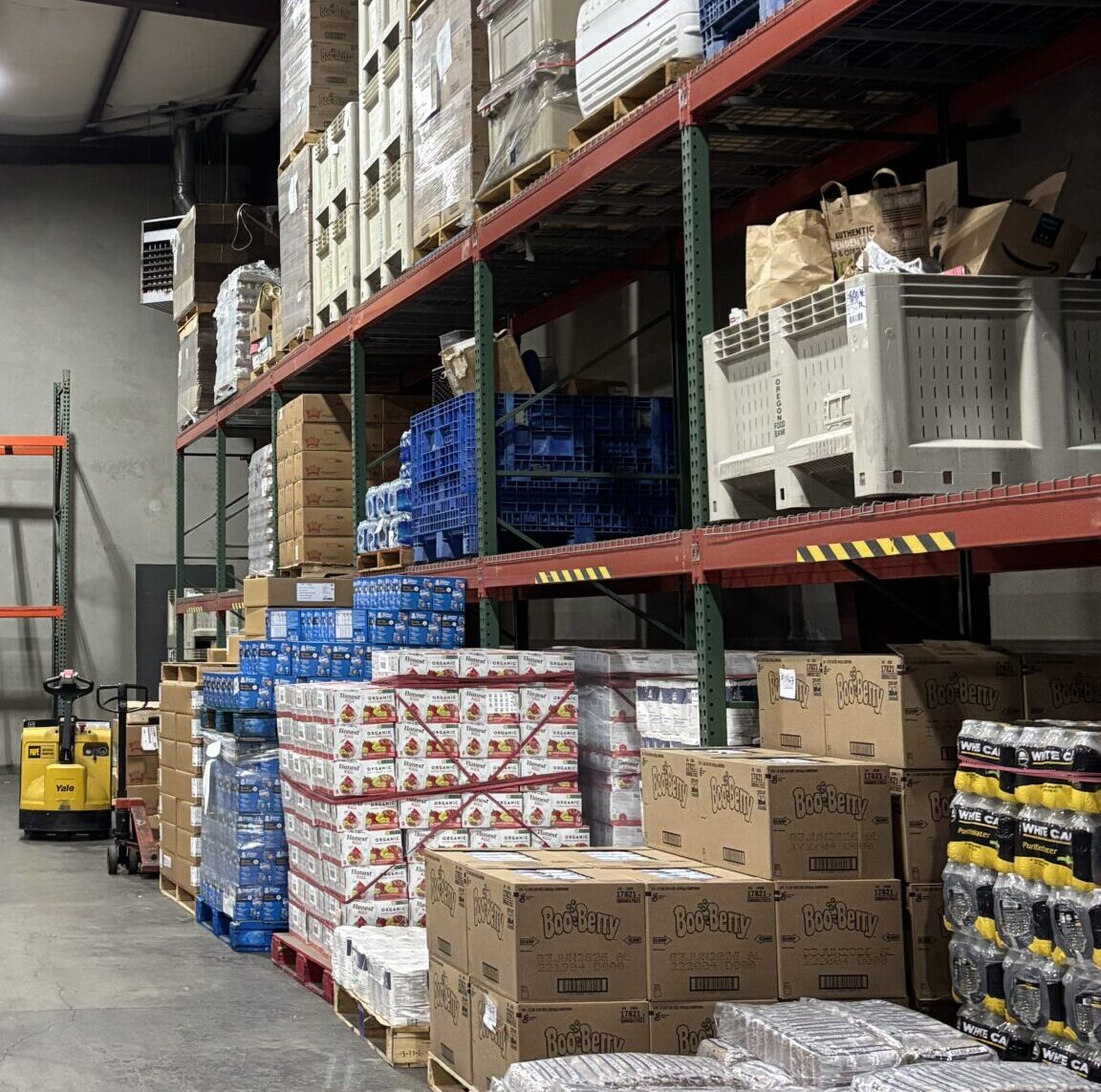
In my last post, I promised to share more about food aid. I was hoping to get a better handle on how the network of food assistance programs in our community works, how much it alleviates hunger, and how much it fails to do. Although I’ve attended food security meetings, read articles, had conversations with experts, and started volunteering at the local food bank, I’ve only been partly successful. I know more about the programs that exist, but I can’t really say I have any idea exactly how many folks are struggling to get fed. Yet it’s not an exaggeration to say that exploring the food security network more deeply changed the way I see our community and our country.
Here are some things I learned: both poverty and food assistance vary tremendously across states, regions, cities and neighborhoods, resulting in dramatically unequal hunger and access to food aid depending on where you live. Here in Oregon and my home town of Corvallis there is an often unseen world of folks working to get everyone the food they need. I discovered an amazing bunch of committed people striving to give those facing hunger access to food. But the uneven nature of food assistance, the cost of living, employment opportunities, state governments, and other factors dramatically affect the prevalence of food security across the country. Arkansas is the hungriest state, with 18.9% of the population experiencing low or very low food security. The rate in Oregon is 10.3%.
I also learned that the network of food aid in the U.S. has several components. There is the food bank system, which operates throughout the country. Food banking began in 1964, partly as a way to distribute surplus food the government was buying from farmers. Today, food banks collect, store, and distribute donated, purchased and rescued food, and are funded mostly through donations and grants. They provide food to shelters, food pantries, meal sites, agencies, food assistance programs, and various charities.
Then there are three national anti-hunger programs funded by the federal government; SNAP, WIC, and the School Lunch Program. SNAP provides low-income individuals and families with funds to buy groceries, and serves an average of 41.7 million Americans a month (12.5% of the population). SNAP is administered by the states, who screen for eligibility and distribute benefits. State programs to administer SNAP vary tremendously: Oregon does a better job of getting SNAP benefits to those who qualify than most states: as a result, almost 18% of Oregonians received SNAP in 2024.
WIC, the Special Supplemental Nutrition Program for Women, Infants and Children, focuses on maternal health and early childhood nutrition for women, infants and children at or close to the poverty line. WIC provides monthly benefits to purchase specific foods like milk, eggs, whole grains, produce, and baby food. The National School Lunch Program (NSLP) provides free or reduced-price lunches at school for children from low-income families.
Some communities have additional programs and resources to get folks fed. In our area, there are food pantries, gleaning groups, walk-in meal sites, double up food bucks for SNAP card holders to use at farmer’s markets, and other informal ways people get fed. A Corvallis non-profit called Stone Soup serves free meals 7 days a week, in partnership with two area churches, no questions asked. In 2024, they served approximately 125 meals per day, all 365 days of the year.
Yet even with this web of programs and funding mechanisms trying to address hunger, many people still don’t have enough to eat. According to USDA’s most recent annual household food security survey, 18 million households (12.2% of the population) reported low or very low food security. The Republican’s reconciliation bill cut SNAP funding by $186 Billion and added stricter work and other requirements which will result in an estimated 2.4 million Americans losing food aid. These changes will inevitably result in more people going hungry across this country.
This blog is about local resilience efforts in the face of a destabilizing world. So I want to leave you with this: in the face of Trump’s efforts to dismantle the federal food safety net, I’ve discovered many wonderful folks striving to help people in our community get fed. These people welcome volunteers, money, and help. Being part of local food assistance work feels really good. Here are a few links to explore if you’d like to donate time or money: